
 323 E. Bullard Ave., Ste. 102, Fresno, CA 93710
 559-439-9990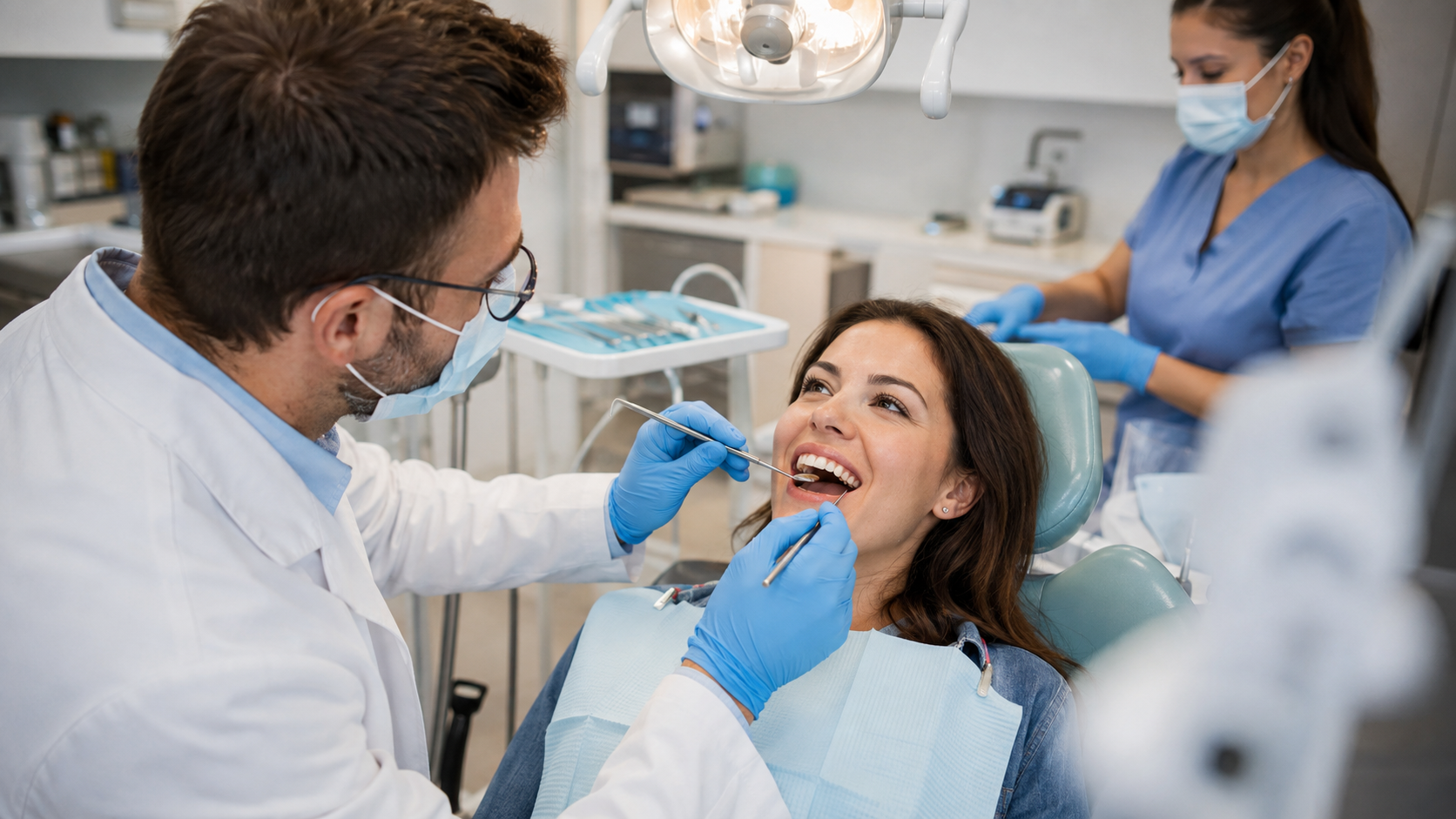
Searching for a dental cleaning in Fresno, CA, may seem straightforward, but not every cleaning is the same. The right type of care depends on the condition of the teeth and gums, the presence of implants or restorations, and how long it has been since the last dental visit.
For many people, professional cleanings are a familiar part of preventive dental care. For others—especially those who have sensitive teeth, dental anxiety, implants, crowns, bridges, or dentures—the appointment can raise questions. Knowing what to expect can make the experience feel much more manageable.
This article provides general education and is not a diagnosis or a substitute for an examination. A dentist or dental hygienist should recommend the appropriate type and frequency of cleaning based on an individual evaluation.
What Happens During a Dental Cleaning?
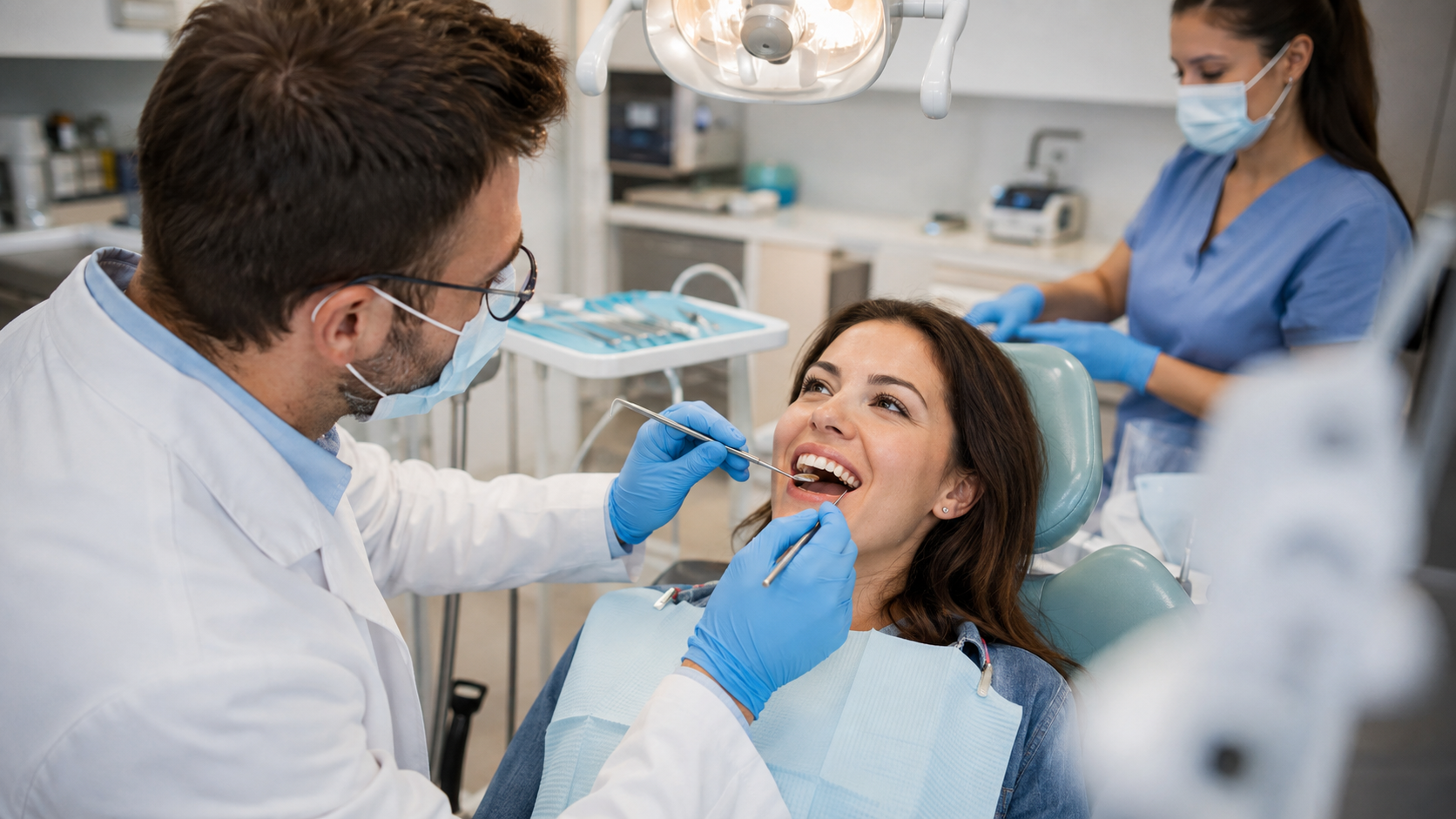
A professional cleaning removes deposits and surface stains that may not come away completely with daily brushing and flossing. The exact steps can vary according to the patient’s needs and the dental office’s approach.
A typical preventive visit may include the following:
A review of dental and medical history
The dental team may ask about medications, recent health changes, pregnancy, allergies, previous dental treatment, and current concerns. Patients should mention bleeding gums, tooth sensitivity, dry mouth, loose dental work, or discomfort while chewing.
This information matters because oral care should be adapted to the whole person—not only to what is visible on the teeth.
An examination of the teeth and gums
Before or during the cleaning, the dental professional may look for plaque buildup, hardened deposits, gum inflammation, damaged restorations, and other changes. Gum measurements or dental X-rays may be recommended when clinically appropriate, but they are not automatically necessary at every visit.
If the examination suggests that a routine cleaning is not the best choice, the dentist may recommend a different approach and explain why.
Removal of plaque and hardened deposits
Specialized hand instruments or an ultrasonic device may be used to clean around the teeth and near the gumline. An ultrasonic instrument uses controlled vibration and water to loosen deposits. Hand instruments allow the hygienist to work carefully around individual tooth surfaces.
Patients may hear scraping sounds or feel pressure, but they should not hesitate to ask for a pause if they become uncomfortable.
Polishing and cleaning between the teeth
Polishing can remove some external stains and leave the teeth feeling smoother. The dental professional may also floss or use another interdental cleaning method to check areas between the teeth.
Depending on the patient’s needs, the appointment may end with personalized guidance about brushing technique, flossing aids, water flossers, implant brushes, or other home-care tools.
Routine Cleaning, Deep Cleaning, and Periodontal Maintenance
The word “cleaning” can describe several different services. Understanding the terminology helps patients compare recommendations and ask informed questions.
Routine preventive cleaning
A routine cleaning, sometimes called a prophylaxis, is generally intended for a mouth that does not require active treatment for gum disease. It focuses on removing plaque, hardened deposits, and surface stains from the teeth.
Scaling and root planing
Often called a deep cleaning, scaling and root planing is different from a standard preventive appointment. It may be recommended when an examination identifies deposits and inflammation below the gumline that require more extensive care.
This treatment may be completed in sections, and comfort measures can be discussed beforehand. A recommendation for deep cleaning should follow a clinical evaluation rather than being based only on how long it has been since the last appointment.
Periodontal maintenance
Periodontal maintenance is ongoing care for someone who has previously received treatment for gum disease. It is not necessarily interchangeable with a routine cleaning. The areas treated and the recall schedule are determined by the patient’s periodontal condition.
If the terminology on a treatment plan is unclear, patients can ask which type of cleaning is being recommended, what findings support it, and what the visit will include.
Cleaning Around Crowns, Bridges, Implants, and Dentures
Restored teeth still require consistent professional and at-home care. Crowns and bridges cannot develop cavities in the restorative material itself, but the natural tooth structure near their edges remains important. Food and plaque may also collect beneath bridgework or around areas that are difficult to reach.
Dental implants require an individualized cleaning approach as well. The dental professional may select instruments and home-care tools designed for the implant restoration and surrounding tissues. Patients should report bleeding, swelling, a change in how an implant-supported tooth feels, or difficulty cleaning beneath a restoration.
Removable dentures also need regular evaluation. A visit can provide an opportunity to discuss cleanliness, comfort, fit, sore areas, and changes in the mouth. Even a person with no remaining natural teeth may still need periodic oral examinations.
Fresno Prosthodontic Centre focuses on prosthodontic services and full-mouth reconstruction, including implant-supported solutions and digital dental technology. Patients with complex restorations can ask how preventive care should be coordinated with their general dentist or dental hygienist.
Do Dental Cleanings Hurt?
A cleaning may feel different from one patient to another. Sensitive teeth, inflamed gums, significant buildup, exposed root surfaces, and anxiety can all affect comfort. Some people feel only light pressure, while others need more frequent breaks or additional comfort measures.
Patients can make the visit easier by discussing sensitivity or anxiety before treatment begins. A simple signal, such as raising a hand, can let the clinician know when a pause is needed. Patients may also ask whether a topical product, local anesthetic, or another comfort option is appropriate for the recommended procedure.
The goal is not to “push through” unexpected pain. Sharp or significant discomfort should be communicated immediately so the dental professional can reassess the area.
How Often Should Teeth Be Professionally Cleaned?
There is no single schedule that is ideal for every person. A dentist may consider gum health, cavity history, home-care habits, dry mouth, tobacco use, medical factors, orthodontic appliances, implants, and previous periodontal treatment when recommending follow-up.
Some patients need closer monitoring, while others may be appropriate for a different interval. The schedule should reflect current findings rather than a one-size-fits-all rule.
Between appointments, patients can support their oral health by:
- Brushing thoroughly with a soft-bristled toothbrush and fluoride toothpaste, if appropriate for them
- Cleaning between the teeth with floss, interdental brushes, or another recommended aid
- Following special instructions for bridges, dentures, or implant-supported restorations
- Replacing worn toothbrushes or brush heads
- Reporting new pain, swelling, bleeding, or changes in a restoration instead of waiting for the next scheduled cleaning
How to Prepare for a Dental Cleaning in Fresno, CA
A little preparation can help the dental team provide more efficient, personalized care.
- Gather relevant information. Bring an updated medication list, insurance information, and details about recent medical or dental treatment.
- Write down concerns. Note any sensitivity, bleeding, dry mouth, jaw discomfort, or changes in crowns, bridges, dentures, and implants.
- Ask what the appointment includes. Confirm whether the visit includes an examination, X-rays, gum measurements, fluoride, or only the cleaning.
- Discuss anxiety early. Let the office know before the appointment if previous dental experiences have been difficult.
- Plan for complex dental work. Patients with implants or extensive restorations should bring available records or provide the name of the clinician who completed the treatment.
Patients should brush and clean between their teeth as usual before the appointment, but there is no need to over-scrub. Aggressive brushing immediately beforehand can make already sensitive gums feel more irritated.
What Does a Dental Cleaning Cost in Fresno?
The cost of a dental cleaning in Fresno, CA, can vary based on the type of cleaning, whether an examination or X-rays are needed, insurance coverage, and the complexity of the patient’s oral condition. A routine cleaning and periodontal treatment are billed differently because they involve different clinical needs.
Before scheduling, patients may want to ask:
- What is included in the quoted fee?
- Is the estimate for a routine cleaning or periodontal care?
- Are an examination and X-rays separate charges?
- Will the office submit a claim to the patient’s dental plan?
- Are payment or financing options available for additional treatment?
An advertised price should not be the only consideration. Patients should also look for clear communication, individualized recommendations, appropriate infection-control practices, and a willingness to explain findings before treatment begins.
Frequently Asked Questions
Can a dental cleaning whiten teeth?
A cleaning may remove some surface stains caused by foods, beverages, or tobacco, so the teeth may look brighter afterward. It does not change the natural internal color of the teeth in the same way as professional whitening. A dentist should evaluate existing sensitivity and restorations before recommending whitening.
Can someone get a cleaning with sensitive teeth?
Yes, but the dental team should know about the sensitivity in advance. The clinician can identify sensitive areas, adjust the technique, and discuss appropriate comfort options. New or worsening sensitivity may also need a separate evaluation.
Is a cleaning safe around dental implants?
Implants can be professionally cleaned, but the clinician may use specific instruments and techniques based on the implant restoration and surrounding tissues. Patients with implant-supported teeth should share their treatment history and follow the maintenance plan recommended by their dental providers.
Will a cleaning fix bleeding gums?
Bleeding has several possible causes, and a cleaning alone may not address every one. An examination is needed to understand what is contributing to the bleeding and whether routine preventive care or periodontal treatment is appropriate.
Should a patient cancel a cleaning because of tooth pain?
The office should be contacted before the visit. The appointment may need to focus first on evaluating the painful tooth rather than completing a routine cleaning. Facial swelling, fever, trouble swallowing, difficulty breathing, or rapidly worsening symptoms require prompt professional attention; breathing or swallowing difficulty warrants emergency care.
Does a person with dentures still need dental visits?
Yes. Dental visits are not only about natural teeth. A clinician can examine the oral tissues and assess denture cleanliness, comfort, stability, and fit. Patients should arrange an evaluation if a denture causes persistent soreness or no longer fits comfortably.
Take the Next Step Toward Comfortable, Personalized Care
A professional cleaning is most useful when it matches the patient’s actual oral health needs. Asking questions about the examination, the recommended type of cleaning, comfort options, and care for existing dental work can help patients make confident decisions.
For patients with crowns, bridges, dentures, implants, or more complex restorative needs, Fresno Prosthodontic Centre offers specialized prosthodontic care in Fresno, CA. The practice is located at 323 E. Bullard Ave., Ste. 102, Fresno, CA 93710. Patients can call 559-439-9990 or contact the practice to ask about an evaluation, restorative concerns, and the appropriate next steps for coordinated preventive care.