
 323 E. Bullard Ave., Ste. 102, Fresno, CA 93710
 559-439-9990
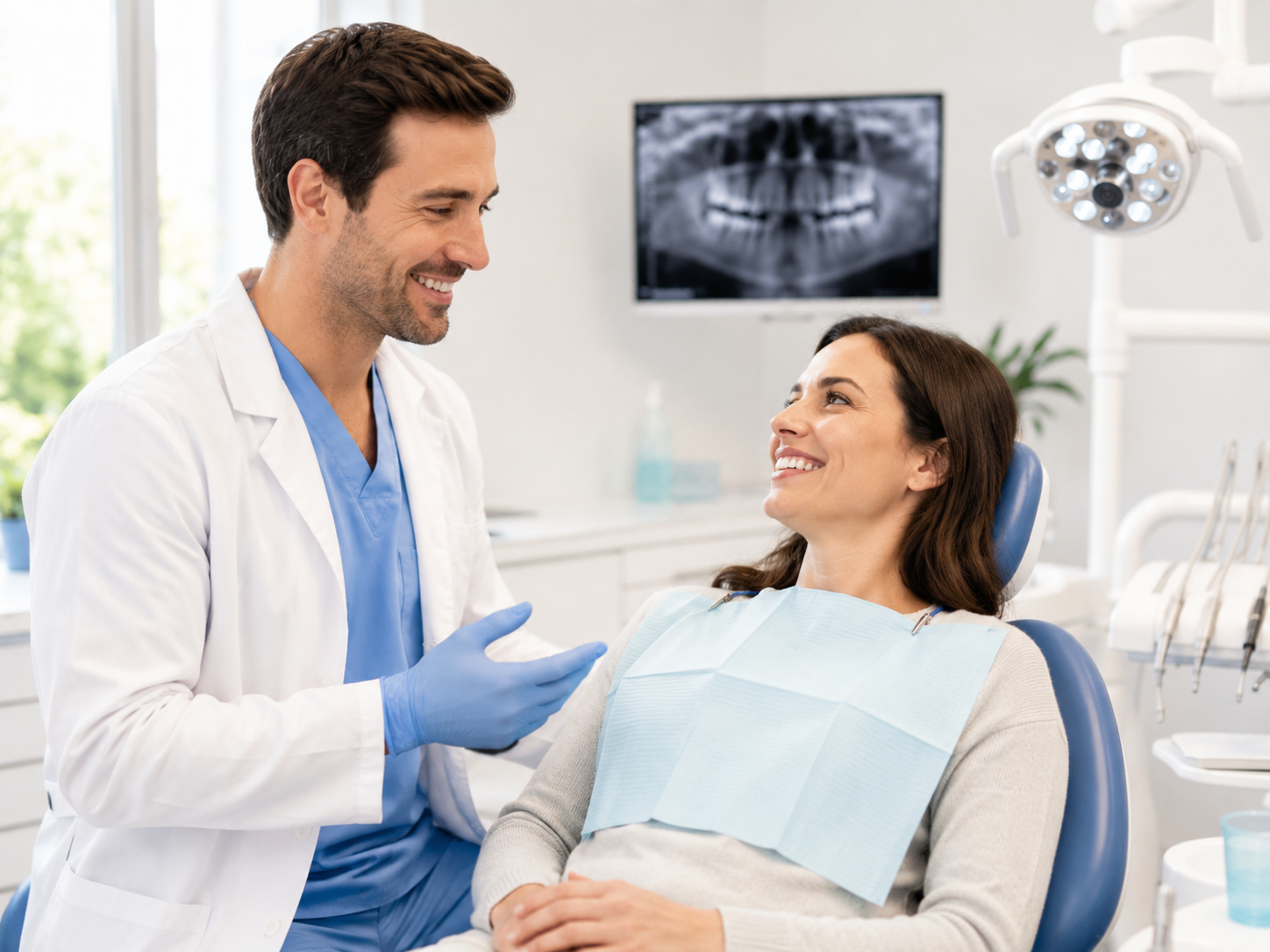
A brighter smile can help many people feel more comfortable in photographs, conversations, and everyday situations. Yet with so many whitening products and treatments available, deciding where to begin can feel confusing.
Patients researching teeth whitening in Fresno, CA, may encounter everything from whitening toothpastes and strips to customized take-home trays and professionally supervised treatment. The best choice depends on the cause of the discoloration, the condition of the teeth and gums, existing dental restorations, sensitivity, and personal goals.
This guide explains how whitening works, how common options differ, and why a dental evaluation can be an important first step.
This article provides general educational information and is not a substitute for an examination or personalized advice from a dentist. Anyone with tooth pain, gum irritation, significant sensitivity, or changing tooth color should consult a dental professional before whitening.
Why Teeth Become Stained or Discolored
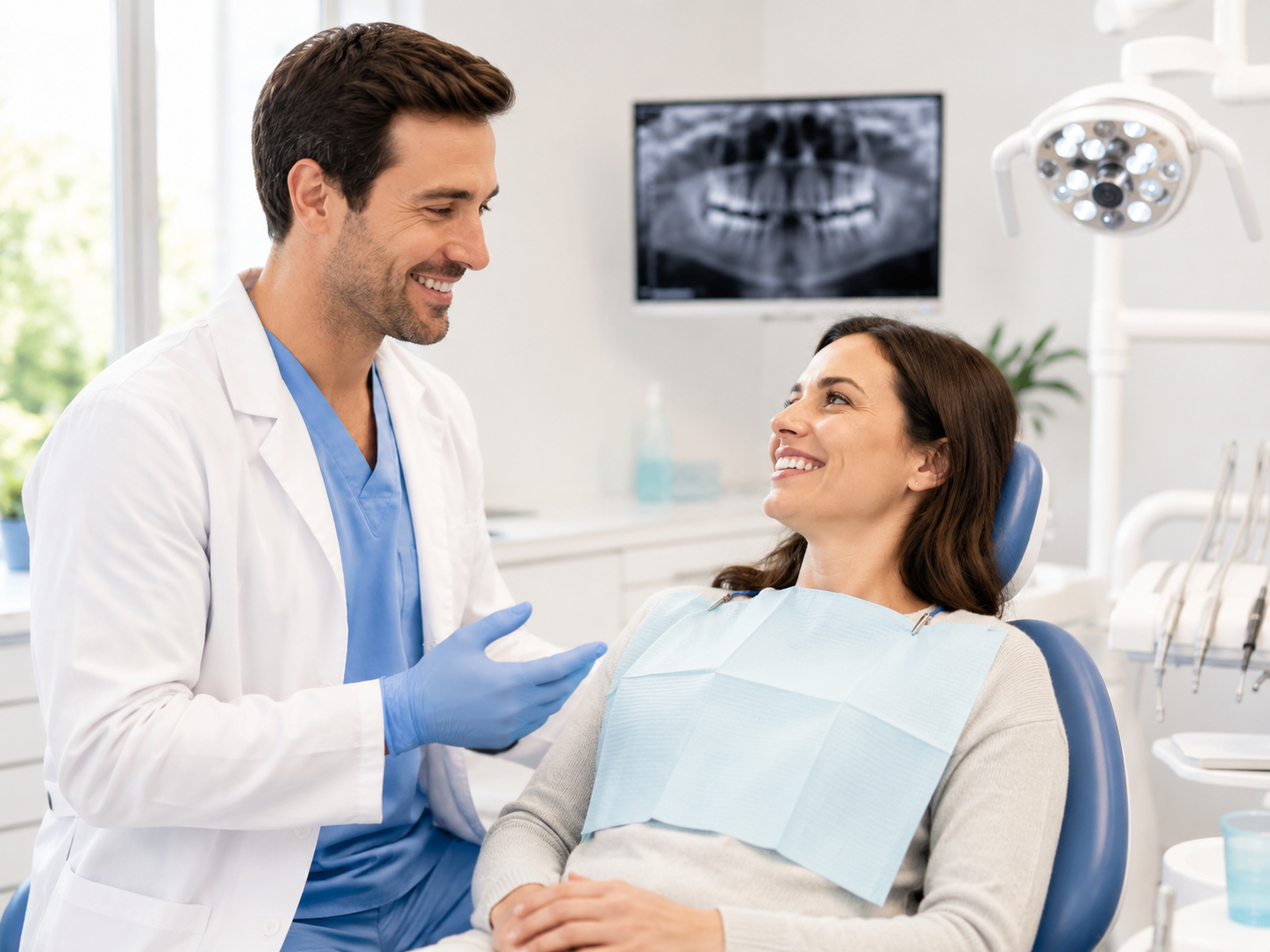
Tooth color naturally varies from person to person. Teeth can also become darker or more yellow over time because of changes within the tooth or pigments that collect on its surface.
Common contributors to surface staining include:
- Coffee and tea
- Red wine and dark-colored foods
- Tobacco use
- Plaque and tartar buildup
- Normal wear and aging
Not every color change responds to bleaching in the same way. Discoloration related to an injury, medication, tooth development, decay, or changes inside a tooth may require a different approach. A single tooth that becomes gray or noticeably darker than neighboring teeth deserves professional attention rather than repeated at-home whitening.
According to the American Dental Association, a clinical examination before bleaching can help identify factors contributing to discoloration and uncover conditions that may affect treatment planning.
How Teeth Whitening Works
Many whitening products contain peroxide-based ingredients that break down colored compounds within the tooth. This can make natural enamel appear lighter without removing healthy tooth structure.
Whitening toothpaste works differently. It generally focuses on polishing away some external stains rather than changing the tooth’s underlying color. That can help with mild surface discoloration, but it may not produce the same change as a peroxide-based bleaching product.
Whitening also has an important limitation: it is intended for natural tooth structure. Crowns, veneers, tooth-colored fillings, bridges, and implant restorations generally do not lighten along with natural teeth. If these restorations are visible when someone smiles, the dentist may need to consider color matching as part of the overall plan.
Comparing Teeth Whitening Options
Professionally Supervised Whitening
Dental professionals can assess the mouth, determine whether bleaching is appropriate, and recommend a product or technique suited to the patient’s needs. Depending on the practice and treatment plan, professional whitening may involve an in-office application, a customized take-home system, or a combination of approaches.
Supervision is especially helpful for patients who have sensitive teeth, gum recession, visible restorations, uneven discoloration, or a history of dental work. It also gives the patient an opportunity to discuss what degree of improvement is realistic.
Custom Take-Home Trays
Dental take-home systems commonly use trays designed to fit closely around the teeth. A precise fit helps keep the whitening material where it belongs and can reduce unnecessary contact with the gums.
The dentist provides instructions about the amount of gel to use and how often to wear the trays. Patients should follow those directions rather than adding extra gel or extending wear time in an attempt to accelerate the result. More product does not automatically produce a better outcome and may increase irritation or sensitivity.
Over-the-Counter Products
Drugstores and online retailers offer whitening strips, gels, rinses, pens, toothpastes, and generic trays. Some products may improve mild staining when used as directed, but results and fit can vary.
Anyone choosing an over-the-counter option should read the instructions carefully and avoid combining several whitening products without professional guidance. A product should be stopped if it causes persistent pain, significant gum irritation, or another unexpected reaction.
Non-Dental Whitening Services
Whitening may also be advertised in salons, kiosks, spas, or other non-dental settings. Before proceeding, patients should ask who evaluates the health of the teeth and gums, what ingredients are being used, how soft tissues are protected, and what happens if pain develops.
A cosmetic color change should never take priority over identifying an untreated cavity, cracked tooth, leaking restoration, or gum problem.
What Should Happen Before Whitening?
A dental evaluation helps answer a basic but important question: Is whitening the right solution for this particular smile?
During an evaluation, a dental professional may consider:
- The source and pattern of discoloration
- The presence of cavities, cracks, or worn enamel
- Gum health and areas of recession
- Current tooth sensitivity
- Existing crowns, veneers, fillings, bridges, or implant restorations
- The patient’s preferred shade and expectations
A professional cleaning may be recommended when plaque, tartar, or surface stain is affecting the appearance of the teeth. However, a cleaning and bleaching are not the same procedure. Cleaning removes deposits and some external staining, while bleaching is intended to lighten natural tooth color.
Patients planning veneers, crowns, bonding, or other visible restorations should discuss the sequence of care with their dentist. Whitening may need to occur before the final restoration shade is selected so that the result looks more consistent.
Does Teeth Whitening Cause Sensitivity?
Temporary tooth sensitivity is one of the most commonly reported effects of bleaching. Some people notice brief discomfort when drinking cold water or breathing in cool air. Peroxide gel can also irritate the gums if it leaks from a tray or is applied improperly.
The American Dental Association notes that gum irritation may occur when peroxide-based gel contacts the soft tissues, including when trays fit poorly or too much gel is used.
Patients concerned about comfort should tell the dentist about previous sensitivity before beginning. The plan may be adjusted through product selection, application frequency, tray fit, or other individualized measures. Desensitizing toothpaste may also be discussed when appropriate.
Whitening should not simply be pushed through sharp, severe, or lingering pain. Those symptoms can indicate a problem that needs evaluation.
How to Help a Whiter Smile Last
Whitening is not necessarily permanent because teeth remain exposed to staining foods, drinks, and habits. The rate at which discoloration returns differs for every person.
Practical ways to maintain the appearance of a smile include:
- Brushing twice daily with a fluoride toothpaste
- Cleaning between the teeth each day
- Keeping up with recommended dental examinations and cleanings
- Rinsing with water after coffee, tea, or other deeply colored drinks
- Avoiding tobacco
- Using whitening touch-ups only as directed by a dental professional or product instructions
Patients do not have to avoid every favorite food or beverage. Consistent oral care and sensible habits are usually more practical than an overly restrictive routine.
Choosing Teeth Whitening in Fresno, CA
When comparing whitening options, price should not be the only consideration. Patients can also ask about the type of product, who will examine the teeth beforehand, how sensitivity is managed, whether existing restorations will affect the result, and what follow-up support is available.
It is equally important to choose a plan that fits the person’s broader dental needs. A patient with extensive crowns, veneers, implants, or other restorative work may benefit from an evaluation focused on the entire smile rather than tooth color alone.
Fresno Prosthodontic Centre serves patients in Fresno, CA, with an emphasis on oral health, comfort, appearance, and function. Because prosthodontists receive advanced training in restoring and replacing teeth, they can offer valuable perspective when cosmetic goals involve crowns, bridges, implant-supported teeth, or more complex rehabilitation.
Frequently Asked Questions About Teeth Whitening
Will whitening work on crowns, veneers, fillings, or dental implants?
Whitening agents are designed to lighten natural teeth and generally do not change the shade of dental restorations. If restorations are visible, a dentist can explain whether whitening may create a color mismatch and discuss possible options.
Can yellow teeth be whitened?
Many types of yellow-toned discoloration may respond to bleaching, but the outcome depends on why the teeth look yellow. An examination is the best way to determine whether the color comes from surface stains, natural tooth structure, enamel wear, or another cause.
Is professional whitening safe for sensitive teeth?
Some people with sensitivity may still be candidates, but the treatment should be personalized. The dentist may recommend a modified schedule, a different product, or addressing an underlying dental issue before whitening.
Can a person whiten teeth with cavities or gum disease?
Active dental problems should be evaluated before bleaching. Whitening gel can aggravate sensitive or irritated areas, and cosmetic treatment should not delay necessary dental care.
How white will the teeth become?
Results vary with the starting shade, source of discoloration, product, and individual response. Natural-looking improvement is a more realistic goal than an exact shade or guaranteed result.
When should someone stop using a whitening product?
A person should stop and contact a dental professional if whitening causes severe or persistent pain, notable gum irritation, swelling, or another concerning reaction. Sudden discoloration of one tooth also warrants an examination.
A Thoughtful Approach to a Brighter Smile
Teeth whitening can be a conservative way to refresh a smile, but good results begin with understanding the health and condition of the teeth. An examination can identify the reason for discoloration, clarify how restorations may respond, and help reduce avoidable discomfort.
Patients considering teeth whitening in Fresno, CA, or trying to coordinate whitening with crowns, implants, or other restorative care are welcome to contact Fresno Prosthodontic Centre. The practice is located at 323 E. Bullard Ave., Ste. 102, Fresno, CA 93710. A consultation offers an opportunity to ask questions, discuss personal goals, and determine an appropriate next step without pressure or promises of a specific result.